
EDITION 2/ A Collector's Guide to Building a Meaningful Art Collection
Jun 4
3 min read

Whether you're acquiring your first original painting or expanding an established collection, collecting art is about more than filling a space—it's about surrounding yourself with artwork that inspires, challenges, and continues to resonate over time.
The most meaningful collections are built thoughtfully, evolving alongside the collector's interests, experiences, and perspective.
THE FOUNDATION OF EVERY COLLECTION
The strongest collections begin with personal connection.
While market trends and investment potential often dominate conversations about collecting, experienced collectors understand that lasting collections are shaped by the works that continue to resonate long after they are acquired.
A meaningful collection begins with artwork that sparks curiosity, creates an emotional response, or offers something new with each viewing. Whether it's an original painting or a sculpture, the pieces that leave a lasting impression are often the ones worth revisiting.
When evaluating a potential acquisition, consider:
What draws me to this work?
Does it hold my attention over time?
How does it relate to the collection I am building?
Can I envision living with this artwork for years to come?
These questions help establish the foundation for a collection that feels intentional and uniquely your own.
DISCOVERING YOUR TASTE AS AN ART COLLECTOR
One of the best ways to refine your collecting instincts is simply to look at more art.
Visit galleries, exhibitions, museums, artist studios, and art fairs. Over time, you'll begin to notice recurring themes, styles, and mediums that consistently capture your attention.
Your taste will continue to evolve as your collection grows—and that's part of what makes collecting rewarding.

COLLECTING ORIGINAL ARTWORK
Original paintings and sculpture each bring something unique to a collection.
Paintings often establish atmosphere, colour, and visual focus, while sculpture introduces dimension, form, and physical presence within a space.
Some collectors focus on a single medium, while others enjoy combining paintings and sculpture to create a more dynamic collection. There is no right approach—only the one that feels authentic to your vision.

UNDERSTANDING THE ARTIST BEHIND THE ARTWORK
Understanding the artist behind a work can deepen your appreciation for the artwork itself.
Learning about an artist's inspirations, process, and creative journey provides valuable context and often creates a stronger connection to the piece.
At Kipling Gallery, we encourage collectors to engage with the artists we represent through our Instagram interview series, Negative Space Studio Sessions. These conversations offer a behind-the-scenes look at the ideas, influences, and techniques that shape each artist's practice.
Questions collectors often ask include:
What inspired this body of work?
How is the artwork created?
What materials are used?
Is the work part of a larger series?


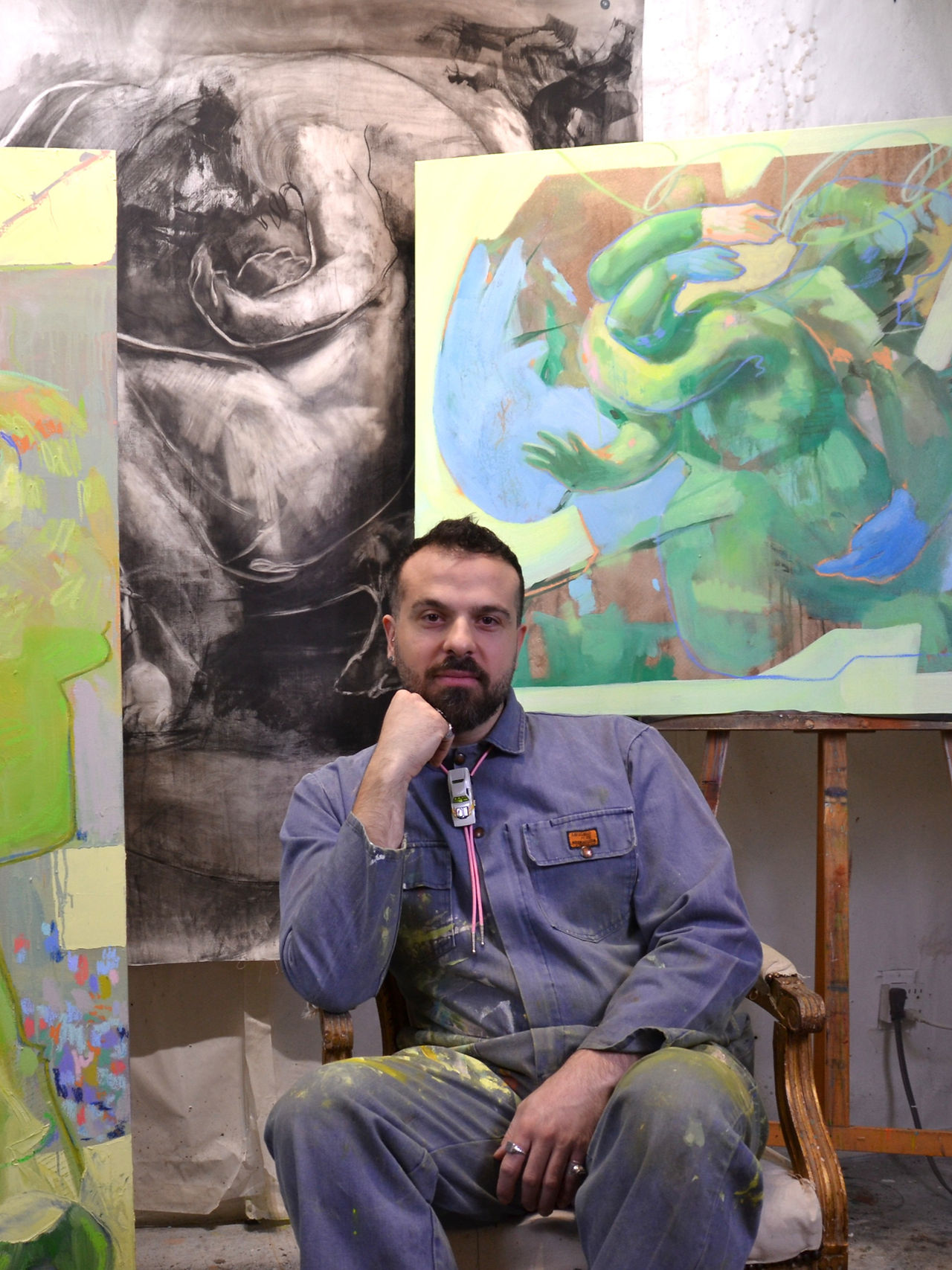

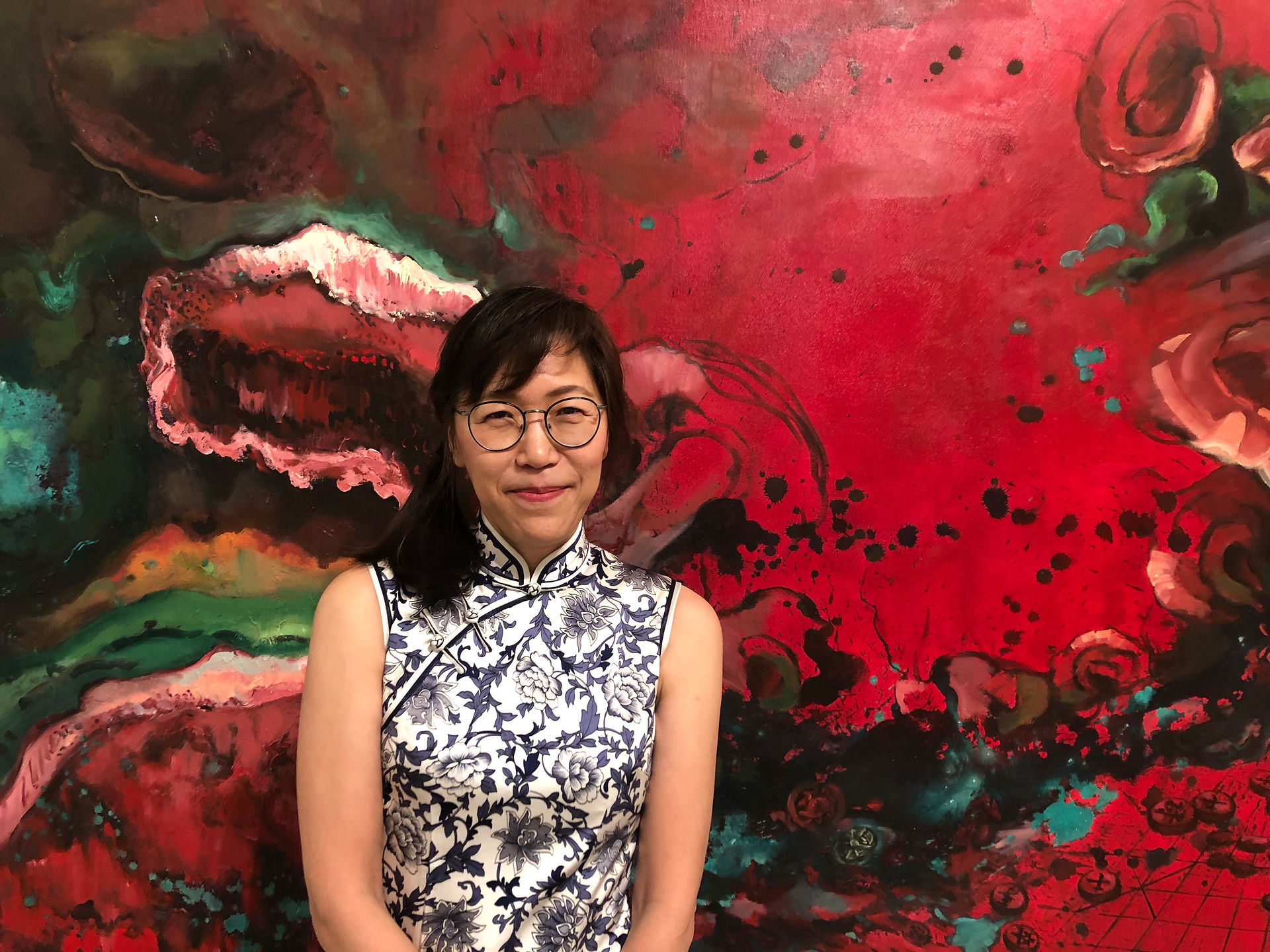




Kipling Gallery artists
(from top left: Abraham Ruben, Judith A. Mason, Sclocco, Joseph Capicotto, Huan Chen, Gordon Boyd, Dania Al-Obaidi, Ritchie Sinclair, Ryan Sobkovich)
HOW ART ADVISORY SERVICES SUPPORT COLLECTORS
As collections evolve, thoughtful consideration of scale, materials, placement, and the relationship between works can help create a stronger visual dialogue throughout a space.
Building a collection is a journey, and trusted guidance can make the process more rewarding.
At Kipling Gallery, our art advisory services help collectors discover artwork that aligns with their interests, space, and long-term collecting goals. Whether selecting a first painting, incorporating sculpture into a design project, or expanding an existing collection, our role is to help collectors make confident and informed decisions.
Contact us to schedule a complimentary art consultation.

BUILDING AN ART COLLECTION OVER TIME

